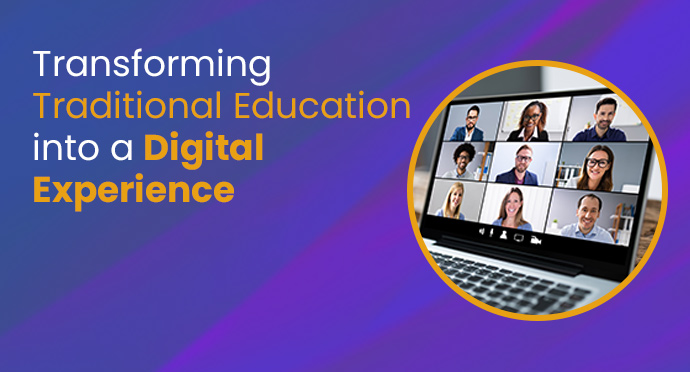
In the digital age, the landscape of education is evolving at an unprecedented pace. Traditional classrooms, though valuable, no longer offer the flexibility and engagement needed by today’s learners. Enter Classpedia, a revolutionary online education platform that is transforming how students and educators interact with learning materials. By merging the best of both worlds — traditional education’s rich content and the flexibility of digital learning — Classpedia is redefining the future of education.
The Shift to Digital Learning
For decades, traditional education has relied heavily on physical classrooms, textbooks, and face-to-face interactions. While these methods have been foundational to learning, they are increasingly being challenged by the limitations of in-person education. The rise of digital technology has changed the way we communicate, work, and even learn. With the advent of online education platforms, there is now an opportunity to deliver content in more dynamic, engaging, and personalized ways.
Classpedia takes full advantage of this shift by offering an interactive platform that blends the best elements of traditional education with the power of modern technology. It’s a space where students can learn at their own pace, explore content in various formats, and engage with instructors and peers from across the globe. The digital experience offered by Classpedia opens the door to a more inclusive and adaptable form of education.
Personalized Learning: Tailoring Education to the Individual
One of the key advantages of digital education platforms like Classpedia is the ability to offer personalized learning experiences. In a traditional classroom setting, teachers must cater to a wide range of students with varying abilities and learning styles. This can lead to some students falling behind, while others may not feel challenged enough.
Classpedia solves this problem by offering a customized approach to education. The platform allows learners to access materials suited to their level of understanding, progressing at their own pace. Whether it’s through quizzes, adaptive learning paths, or interactive lessons, Classpedia ensures that each learner gets the attention they need without feeling overwhelmed or disengaged. This personalized approach empowers students to take control of their learning journey, ultimately helping them succeed on their terms.
Engaging and Interactive Learning
Gone are the days when learning was limited to passive activities such as reading textbooks and taking notes. Classpedia embraces the power of interactivity to create engaging learning experiences. From video tutorials and interactive exercises to live discussions and simulations, the platform keeps students actively involved in their education.
The use of multimedia elements, such as animations, podcasts, and gamified learning experiences, not only makes the learning process more enjoyable but also helps reinforce concepts through different learning modes. These elements appeal to various learning styles, ensuring that visual, auditory, and kinesthetic learners can all benefit from the platform.
Additionally, Classpedia offers real-time feedback and analytics, enabling students to track their progress and identify areas where they may need additional focus. This interactive learning environment promotes active participation and collaboration, which is essential for long-term retention and success.
Flexibility and Accessibility
Traditional education often requires students to follow a rigid schedule, attend classes at specific times, and commute to physical campuses. While this structure may work for some, it can be challenging for others, especially working professionals, students with busy schedules, or those living in remote areas.
Classpedia addresses this challenge by providing the flexibility to learn anytime, anywhere. Whether you’re a full-time employee, a stay-at-home parent, or a student with a tight schedule, Classpedia makes it easy to fit education into your life. The platform is accessible on various devices, including smartphones, tablets, and laptops, making it easy to learn on the go.
Moreover, Classpedia offers self-paced learning options, meaning that students don’t need to worry about missing deadlines or keeping up with a fast-moving class. Instead, they can study and progress at a speed that suits their personal needs and goals. This flexibility makes education more accessible and achievable for a wider audience, empowering people to pursue learning without the barriers imposed by traditional formats.
Collaboration and Global Networking
Classrooms have always been places for students to collaborate and learn from one another. However, in traditional settings, this collaboration is often limited to a specific group of students in one physical location. Classpedia breaks down these barriers by fostering global connections and offering a wider, more diverse network of peers.
Through discussion forums, group projects, and collaborative tools, Classpedia enables students to engage with fellow learners from across the world. This global network allows for the exchange of ideas, cultures, and perspectives, enriching the learning experience. It also opens doors to opportunities for professional networking and collaboration, preparing students for a globalized workforce.
Empowering Educators
It’s not just students who benefit from Classpedia’s digital transformation of education — educators do as well. Traditional teaching methods can be time-consuming and often limit the ability to engage with each student effectively. With Classpedia, instructors can leverage the platform’s tools to create dynamic, interactive lessons, assess student progress more easily, and provide personalized feedback.
Classpedia also enables teachers to reach a wider audience by offering online courses that can be accessed globally. This allows educators to share their expertise and teaching styles with learners from different backgrounds and locations, expanding their reach and impact. The platform’s ability to streamline administrative tasks like grading and tracking progress frees up valuable time, allowing educators to focus more on teaching and mentoring students.
The Future of Education
Classpedia’s digital platform is not just a temporary fix for the challenges faced by traditional education; it is a glimpse into the future of learning. With the ongoing advancements in technology, such as artificial intelligence, virtual reality, and machine learning, the possibilities for innovation in education are limitless.
As more students and educators embrace digital learning platforms like Classpedia, the boundaries of what’s possible in education will continue to expand. Whether it’s through personalized learning paths, real-time feedback, or global collaboration, Classpedia is helping shape a more flexible, inclusive, and engaging educational experience for all.
Conclusion
Classpedia is a powerful example of how technology is transforming education. By offering personalized, engaging, and flexible learning opportunities, it is breaking down the barriers of traditional classrooms and making education more accessible to people around the world. As the digital experience continues to evolve, platforms like Classpedia will play a central role in shaping the future of education, ensuring that learning remains relevant, engaging, and impactful for generations to come.