Social Media Marketing Trends 2026: Complete Guide for Businesses


 Table of Content
With changing marketing trends, social media is having a tremendous impact on how businesses connect with customers, build brand recognition, and drive continued growth. In today’s world of social media marketing, understanding 2026 trends is critical for any business looking to improve engagement, increase conversions, and build a long-term relationship with its audience.
In 2026, social media marketing will be more intelligent, more customized to individual users, and more focused on building a community around a brand. Rather than just publishing content on social media, businesses are focusing on creating meaningful interactions by using customer data and developing new technologies that enable them to provide a more value-driven experience. The trends identified in this guide will provide the necessary insight into the key trends influencing how businesses can prepare for their social media marketing future.

Nowadays, audiences want brands to provide them with content that is relevant, authentic and engaging; traditional promotional posts do not meet consumer needs as well as they once did. Audiences want to be educated, entertained and engaged by brands in a meaningful manner.
Another factor driving significant change is increased competition. Brands are no longer just competing against one another but also against creators, influencers, and individuals who produce high-quality content daily, thereby raising the standards for what audiences expect. Therefore, brands must now place an emphasis on storytelling, authenticity and value-based messaging.
The growth of artificial intelligence, short-form video content, and social commerce is also transforming marketing strategies. Companies are using data to personalize content and automate repetitive tasks. Platforms are encouraging video-first content, while users are becoming more comfortable purchasing directly through social media. These shifts are redefining how businesses approach social media marketing in 2026.
Explore social media marketing courses
Social media marketing strategies are heavily relying on artificial intelligence. Businesses can use AI-based content-generation tools to create their own content. Businesses of all sizes are using AI to help generate content ideas and write their posts. Marketers utilize AI-based analytics to recognize and target their audiences. AI analytics will recommend the best time to post on social media platforms. These tools have enabled marketers to maintain consistent content creation while saving time and becoming more efficient overall.

Additionally, marketers are using AI-based automation to communicate with their customers. Customers can communicate with AI-based tools such as chatbots, which can answer questions, explain products and provide immediate support no matter what time of day it is. Allowing customers access to AI tools that can answer their questions takes the burden off businesses and allows their customers to have a more rewarding experience when interacting with them.
Despite these advantages, businesses should maintain a balance between automation and human creativity. Audiences still value authentic communication and brand personality. AI should enhance creativity, not replace it. The most effective social media strategies combine automation with genuine storytelling and meaningful engagement.
Social Media Marketing is still dominated by Short-Form Video as of 2026. Video Content remains a focus for platforms because it keeps users engaged, increasing the time they spend on the site. This creates greater reach and engagement for a business investing in Short-Form Video.
Another advantage of using Short Videos is that they are effective at capturing the audience’s attention quickly. They also convey a message quickly and in an easily digestible format. Businesses currently use Short Videos to showcase their product or service, provide quick tips and tricks to customers, showcase customers enjoying their product or service, and share behind-the-scenes footage of the business. Short Videos provide a more authentic look and feel to consumers than traditional advertising. This connection with the consumer is important for the Brand to build rapport with its target market.
In addition to the above points, consistency in creating Short-Form Videos is a key factor for success. Businesses do not need their Short-Form Videos to be highly produced to perform well; rather, the goal should be to provide customers with value, whether informational, entertaining or inspirational. Providing your customers with content that is simple, helpful, and relatable is much more valuable to them than showing them a highly produced Short-Form Video.
Another reason short-form video is growing is its versatility. A single idea can be repurposed into multiple clips across platforms. This allows businesses to maintain an active presence without creating entirely new content each time. As video consumption continues to increase, short-form content will remain a dominant trend in 2026.
Businesses continue to increase their use of influencer & creator partnerships to find authentic ways to connect with their consumers. In 2026, brand investment will target niche creators/micro-influencers; these creators typically have passionate followers who engage with them regularly and, therefore, are more trustworthy.
Instead of just running one-off promotional campaigns (i.e., advertisements), brands are building long-term relationships (i.e., partnerships) with creators, which helps build consistent messaging and increase credibility. When an audience sees several examples of a creator and their associated brand connecting, it resonates as more authentic.
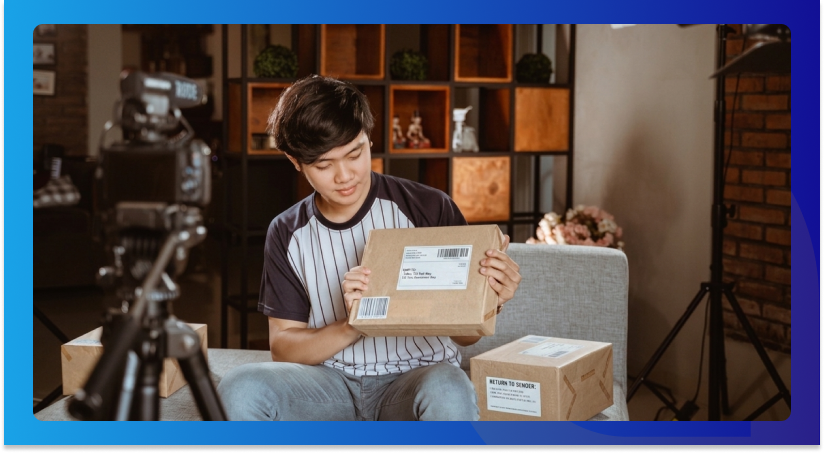
User-generated content also continues to gain importance. Brands that create campaigns to encourage customers to share their experiences (e.g., reviews, testimonials) will ultimately have opportunities to build social proof and strengthen trust. The use of user-generated content will continue to enable brands to gain real, credible, and therefore authentic content that can be used across various platforms.
Creator marketing works because it blends promotion with storytelling. Rather than traditional advertisements, creators present products in real-life scenarios. This approach feels natural and resonates more with modern audiences. As a result, influencer marketing remains one of the most effective social media strategies for businesses in 2026.
Personalization is becoming a key aspect of social media marketing now. Audiences expect a unique experience when it comes to content that suits them, such as their interests, wants, and needs. Generic messaging no longer drives strong engagement among today’s audience. Therefore, businesses must know their audiences well enough to develop content tailored to their specific needs.
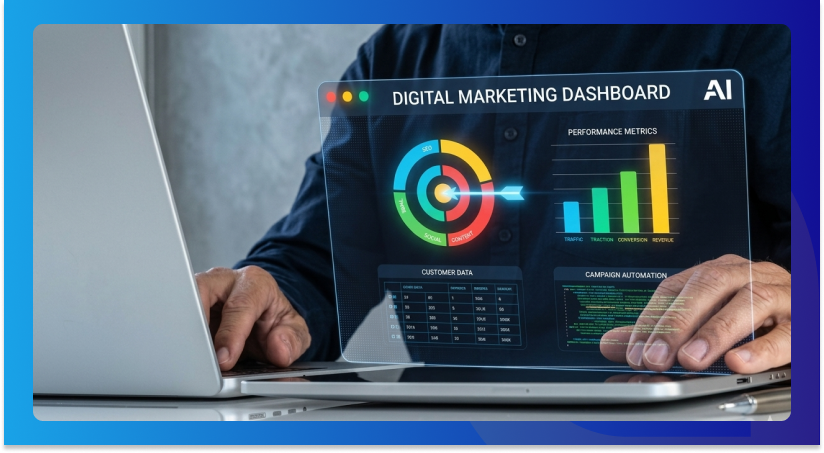
To find out the engagement each piece of content generates, the demographics of its users, and how they use each social media platform, analytics tools are used. The analytics will provide marketers with enough data to help the business better understand which piece of content generated the most engagement and why, therefore allowing the business to adjust its strategies by identifying ways to produce more content that engages the audience. For example, a business might discover that educational content generates more engagement than promotional content and will adjust its content strategies accordingly.
Personalization can also include industry-specific insight, location-based promotions, or a focus on creating messages for the audience. Also, using interactive content that encourages participation through polls, questions, and quizzes helps users feel engaged.
By using data-driven strategies, businesses can maximize marketing efficiency and return on investment. Conducting ongoing analysis of the marketing efforts is beneficial for businesses. Marketers can understand how effective their content is and which content works best. They can allocate the majority of their marketing resources to the most effective content while recouping their efforts on ineffective content. In an ever-changing environment, by continuously optimizing their marketing efforts, brands remain competitive.
As social media marketing becomes more data-driven and competitive in 2026, businesses need to focus on building strong foundational digital marketing skills. Understanding how platforms, algorithms, and content strategies work together is essential for long-term success. If you want to develop these practical skills in a structured way, you can explore our Digital Marketing Career Path, which helps learners understand real-world marketing strategies and industry practices step by step.
As social commerce continues to rise, platforms will integrate shopping features into their interfaces, allowing users to browse, read reviews and buy products without ever leaving the app. This will create a seamless shopping experience, reducing friction and improving conversion rates for consumers and businesses alike.
Companies are leveraging social commerce to create product catalogs, showcase featured products, and offer promotions on limited-edition items. Live shopping, as an opportunity to offer real-time product demonstrations and interact with an audience, is a growing trend and gaining acceptance.
Visual storytelling is key to social commerce. High-quality images, demonstration videos and customer reviews and testimonials are all ways to influence consumers’ purchasing decisions. The more emphasis a company places on presenting compelling product presentations, the better results it will see.
Shorter customer journeys are another advantage of shopping through social media: consumers can discover and purchase products in a matter of seconds rather than visiting multiple websites. This ease of use facilitates impulsive consumer behavior and ultimately enhances overall sales performance.
With the current growth and acceptance of in-app purchasing amongst consumers, social commerce will be an area of continued growth through 2026, especially for companies that embrace these tools and features early on, and will benefit from a competitive advantage.
Building a community has become a higher priority than just growing followers; brands are now working to create authentic connections with consumers and develop loyalty among their customers. A brand’s engaged community will not only foster dialogue but also provide valuable feedback to the company on new product ideas or service enhancements, and naturally promote the brand.
Community-building takes place through private groups, online discussion forums, or by using interactive marketing methods. This type of space allows customers to connect with one another and share their experiences related to other customers who have the same interests as themselves; therefore, increasing the overall feeling of belonging to the brand on behalf of all of its customers strengthens the emotional ties between the two.
Finally, community-based marketing provides businesses with valuable insights into which products/services to create or improve, as they can obtain information directly from their target market about their needs and preferences; therefore, allowing them to make product/service enhancements based on what their audience tells them they want or need.
When customers feel part of a community, they are more likely to remain loyal and recommend the brand to others. This organic promotion is more effective than traditional advertising. As a result, community-driven marketing is becoming a major trend in social media marketing.
By 2026, businesses will no longer be posting the same piece of content across multiple social media platforms. Each social media platform is composed of unique audiences, content types, and expectations. By creating platform-specific (as opposed to generic) content, your chances of getting engagement and relevance increase substantially.
For instance, professional insight-type posts work effectively on LinkedIn, while, on the other hand, visual storytelling-type posts work very well on Instagram. Short-form video content dominates TikTok compared to long-form educational content, which performs extremely well on YouTube. By understanding which types of content work well for different platforms, your business can tailor its messaging strategy.
In addition to helping create customized messaging strategies for each social media platform, you will also improve your business’s brand perception by having content that meets the expectations of your audience for each platform. When your business adjusts its content to fit those expectations, your company appears more authentic and relevant to its audiences.
Consistency remains important, but customization enhances performance. Businesses should maintain a unified brand voice while adjusting format and tone for each platform. This balanced approach ensures better reach and engagement.
Businesses need a proactive strategy on Social Media Marketing to remain competitive. Embracing new technology, trying out new content formats and engaging with audiences will help them succeed. AI tools can help companies be more efficient and use analytics to inform their decisions.
Short-form video must be at the center of your content strategy. Brands should program influencer partnerships and encourage their customers to create user-generated content. Creating communities and utilizing social commerce features will enhance your success.
Marketers must continuously learn as the digital landscape is evolving, which includes keeping track of the most recent changes to platforms, algorithms, and new trends. A flexible strategy will allow brands to adapt quickly to changing circumstances while maintaining strong business performance.
Businesses looking to adapt to 2026 social media trends can get started with our Free Digital Marketing Course to learn practical strategies and industry-relevant skills.
Social media marketing in 2026 is more dynamic, intelligent, and customer-focused than ever before. Businesses that adapt to emerging trends can improve engagement, strengthen relationships, and drive growth. By leveraging AI-powered tools, creating short-form video content, collaborating with creators, and building communities, brands can stay competitive in a crowded digital landscape.
Enroll in the Social Media Marketing Course and stay ahead with the latest trends, tools, and strategies for 2026.
What are the top social media marketing trends for 2026?
The top trends include AI-powered content creation, short-form video growth, influencer collaborations, personalized content, social commerce, and community-driven marketing.
Why is AI important in social media marketing?
AI helps businesses automate tasks, analyze performance, generate content ideas, and improve audience targeting.
Is short-form video still important in 2026?
Yes, short-form video remains one of the most effective formats for engagement and reach across platforms.
What is social commerce?
Social commerce allows users to discover and purchase products directly within social media platforms.
How can businesses prepare for social media marketing in 2026?
Businesses should adopt AI tools, focus on video content, build communities, personalize messaging, and stay updated with platform changes.