How AI is Changing Digital Marketing in 2026

June 4, 2026
June 4, 2026
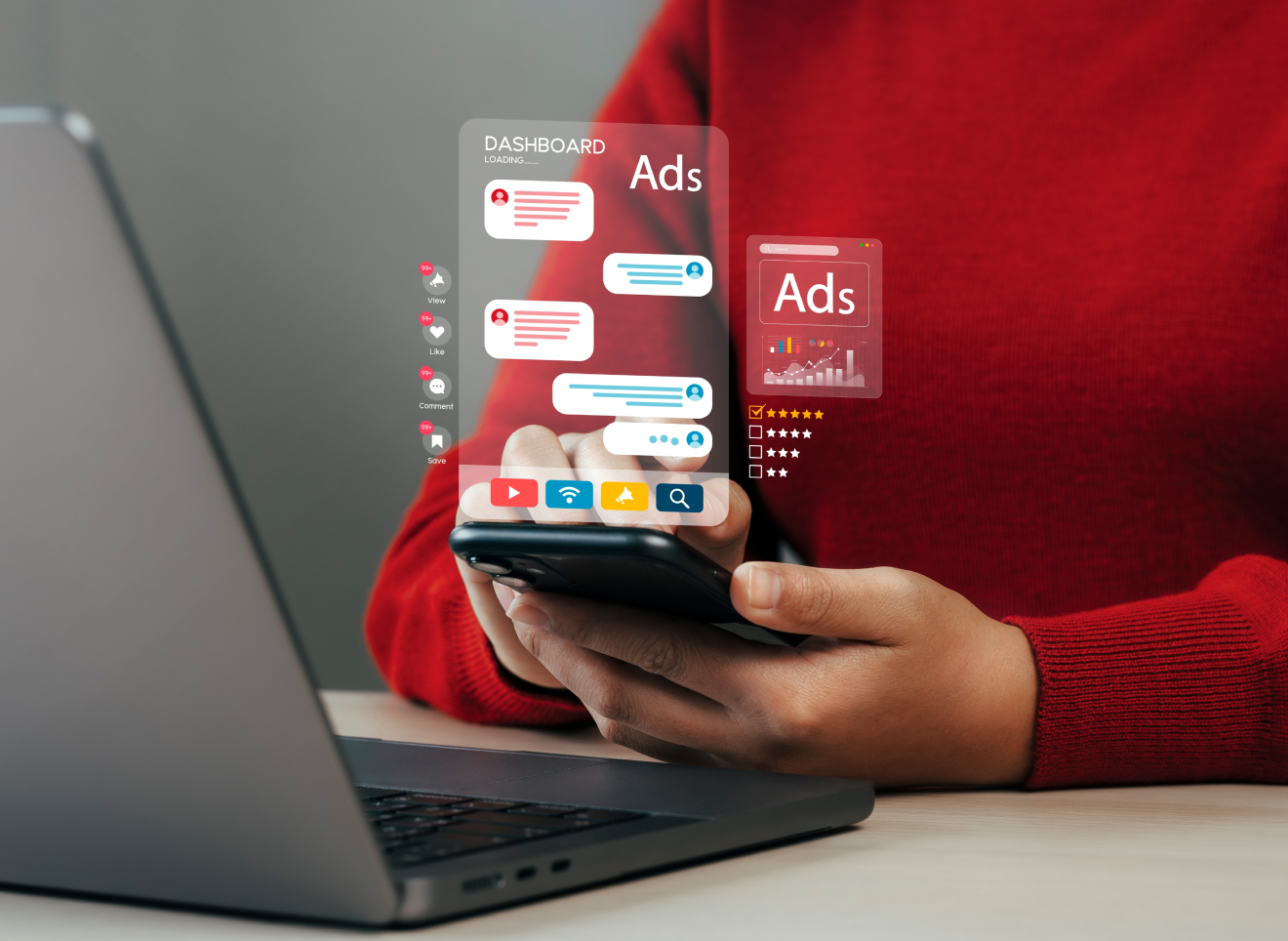
This is indeed one of the greatest transformations we have witnessed in Digital Marketing. In the year 2026, Artificial Intelligence is not merely a tool but the core component of marketing. Starting from how brands market themselves to their audience, to creating and publishing content, everything is changing. To stay ahead of the curve, all marketers, students, and professionals working in the digital space must have a good understanding of how Artificial Intelligence works in Digital Marketing. Businesses are no longer relying on educated guesses anymore. In fact, they are using AI driven systems to obtain meaningful data and consequently make smarter choices to maximize ROI, improve efficiency and increase revenue.
It is fair to state that Artificial Intelligence has been deeply integrated with modern marketing practices. Businesses across the globe are utilizing AI for predicting customer behaviour trends, understanding their preferences, and for automating mundane and time consuming tasks.
According to a report by McKinsey & Company, businesses adopting Artificial Intelligence in their marketing and sales initiatives have experienced between 5-15% increase in revenue and between 10-30% in marketing ROI, the two of which can be attained with accurate customer segmentation and marketing automation respectively.
Furthermore, according to a recent report by Salesforce, 68% of marketing leaders globally have adopted the usage of generative AI tools in an effort to enhance customer engagement and improve the quality of their marketing content. This clearly demonstrates that AI is not simply an experimental tool, rather it is a fundamental part of most modern marketing systems.
Historically, marketing campaigns were driven by the knowledge and expertise of people who used to process manually a large number of data and predict trends. Today, Artificial Intelligence, capable of handling extremely large amounts of data and process them extremely quickly, predicts customer behaviour before it happens, allowing marketers to tailor their advertisements more appropriately and minimize budget wastage.
In a report by HubSpot, it was found that 63% of marketers confessed that Artificial Intelligence enhanced their understanding of their customers and enabled them to improve their advertising targeting strategy accordingly. This effectively indicates the transition from retrospective marketing decision making to forward thinking strategy planning.
Even though the content continues to be the cornerstone of Digital Marketing, Artificial Intelligence is rapidly changing how content is created, published, and distributed. Using AI, marketers can brainstorm blog topic ideas, write advert copy, design visual content and improve various aspects of their advertising campaigns.
The true utility of AI can be experienced in delivering hyper-personalized content to every customer, whereby they receive personalized recommendations, e-mailings and advertisements based on their past behaviours and interactions with the brand. The use of such personalized marketing campaigns greatly increases customer engagement, trust, and overall conversion rate. Despite the immense benefits offered by Artificial Intelligence, creativity is still crucial to build an emotional connection with the customers.
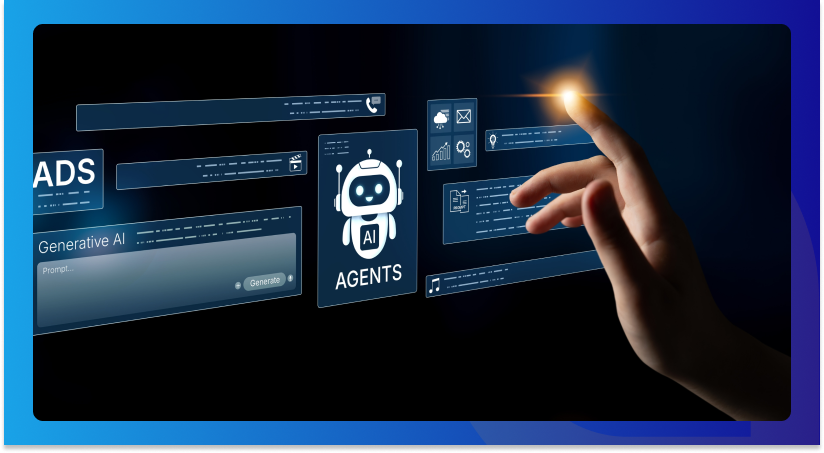
Advertising is arguably one of the areas that has been revolutionized by Artificial Intelligence, making it a vital and AI-driven part of digital marketing today. Advertisements are optimized automatically by machine learning technology by adjusting biddings, advertisements placement, and customer segmentation to provide an optimal advertising experience.
According to a report by Google, utilization of AI as part of the advertising program brings about much higher number of successful conversions by continuously improving ads, based on user activity on the respective advertisers website on a daily basis. The automated features of Artificial Intelligence provide marketers with additional time to work on strategy.
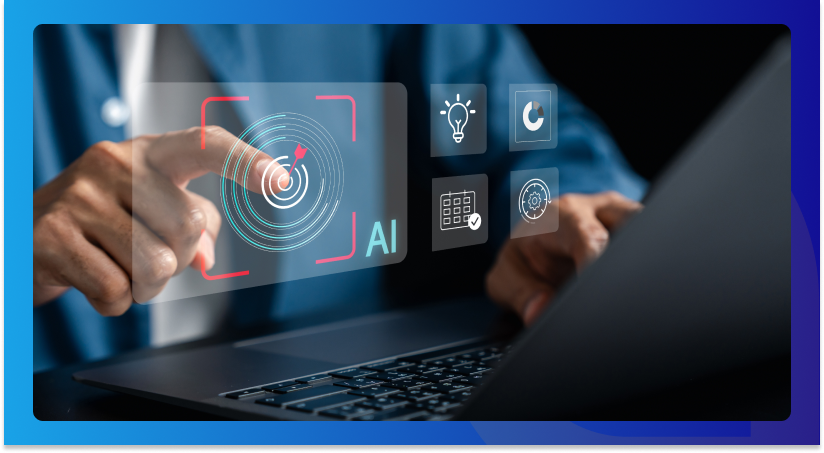
Modern marketers leverage a wide variety of AI-powered tools to perform numerous tasks such as generating content, optimizing campaigns, automating customer support, analyzing customer data and personalizing e-mail marketing. These tools contribute to increased efficiency by reducing manual work. Nonetheless, expertise in utilizing these AI tools appropriately is now considered an indispensable job requirement.
Employers are no longer seeking merely users of AI tools but professionals that understand how these tools impact customer behavior and business outcomes.
AI possesses a number of benefits that continue to transform the digital marketing sphere. One of the greatest benefits of AI in Digital Marketing is increased productivity which according to a Deloitte report is between 20-25%. Another crucial benefit of AI is the economic impact, expected to be over $15.7 trillion of world economy contribution by 2030, according to PwC, as marketing and sales being some of the key contributors to the growth.
Additionally, AI offers benefits of increased accuracy, reduced human error, enhanced customer experience and high ROI for all marketing strategies.
While Artificial Intelligence is an undeniably beneficial aspect to Digital Marketing, it is important to recognize the various challenges posed by the integration of AI in the marketing domain. When focusing on automation too much, marketers may lose the human creativity factor needed for effective marketing campaigns, which is an irreplaceable trait that AI can hardly replace. In essence, every AI system will require a human element to ensure the final product has some degree of relevance or emotional connect to the end customer. Data privacy concerns are also of great importance as an AI system uses the data of customers to work properly, hence ethical use of data and compliance with relevant regulations are critical.
The last significant issue facing the implementation of AI in marketing is the skill gap, where professionals have some difficulty in adapting to AI technologies, hence continuous learning becomes of prime importance in this fast changing domain.
If you wish to work in a role that involves using AI for marketing purposes, it is important to have structured learning so you know how to work around different AI tools and also implement their application effectively in the field.
Short Courses (Beginner Level)
If you want to learn practical and effective implementation, short courses are perfect to get acquainted with using AI tools for marketing:
Professional Courses (Skill Development Level)
For gaining more in-depth knowledge and obtaining job ready skills, professional courses with assignments, case studies and real-time applications are the most efficient method:
You can also start with a Free Digital Marketing Course at Classpedia for building strong foundations for your marketing career.
Career Path (Advanced Learning)
Career paths help build comprehensive skill sets required for a well-defined professional role in marketing:
It is also beneficial to start by building an understanding of how AI works and its relevance by enrolling in the Artificial Intelligence & Generative AI Fundamentals Course.
Course Certificates (Career Advantage)
To make learning more impactful, Classpedia also offers Course Certificates in dedicated categories. This certification helps validate your skills and demonstrates your expertise to employers. It can be added to resumes, LinkedIn profiles, and job applications to improve career opportunities.
AI is fundamentally changing digital marketing in 2026. From automation and personalization to predictive analytics and advertising optimization, every aspect of marketing is becoming smarter and more efficient.
Understanding AI in digital marketing is no longer optional—it is a necessity for anyone who wants to build a successful career in this field.
The key is to start learning step by step, build strong fundamentals, and gradually move toward advanced applications. With the right learning path, you can turn this transformation into a powerful career opportunity.
If you’re looking to build real skills in AI and understand its role in digital marketing, Classpedia is the right place to start—offering a wide range of AI-focused and other courses designed to help you stay ahead in the evolving digital landscape.
 Table of Content
A simple, guided process designed to help you learn efficiently, track progress, and earn a recognized professional certificate.
Start building in-demand skills designed to help you grow faster. Unlock advanced learning tools.
Explore Courses Home
Home
 04-Jun-2026
 10:25 PM